
Punjab has approved a major expansion of its electric bike scheme, with more than 100,000 electric bikes planned for students across the province. The bikes haven’t been distributed yet, so this is still a government approved programme rather than a completed rollout.
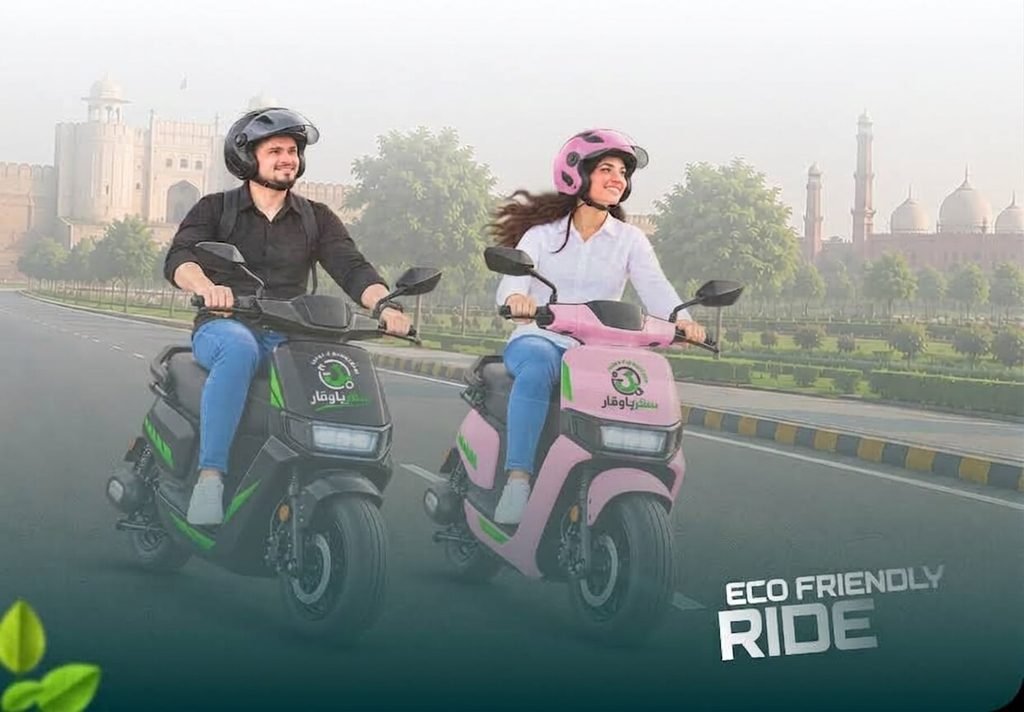
Under the latest plan, students won’t have to make a down payment. The Punjab government will cover the interest and insurance, while the student’s monthly instalment is expected to be around Rs. 3,000.
The proposal looks attractive on paper, particularly for students who can’t afford a large upfront payment. But the word “expected” matters here. The final instalment, repayment period and exact cost of the bikes still need to be confirmed before applicants can know what the scheme will actually cost them.
| Scheme Detail | Current Information |
|---|---|
| Scheme | CM Electric Bike Scheme |
| Status | Approved |
| Target | Students across Punjab |
| Planned Electric Bikes | More than 125,000 |
| Down Payment | None |
| Expected Monthly Instalment | Around Rs. 3,000 |
| Interest | To be covered by Punjab Government |
| Insurance | To be covered by Punjab Government |
| Battery | Lithium Iron Phosphate |
| Free Items | Helmet and safety rod |
| Training | Two days of driving training |
| Expected Delivery | Within six weeks |
The removal of the down payment is probably the strongest part of the latest announcement. A Rs. 3,000 monthly payment could be manageable for some students, whereas arranging a sizeable upfront amount may not be. The government also plans to cover interest and insurance, reducing some of the financial burden.
There are still plenty of unanswered questions, though. The government has announced an approximate monthly payment, but without the final financing period and bike prices, it’s impossible to say what students will pay in total.
The same caution applies to the six week delivery timeline. It has been announced as an expected timeframe, but the bikes haven’t reached students yet. Delays in procurement, registration or financing could push that date back.
After sales support is another area I’d be watching closely. Putting more than 125,000 electric bikes on the road is one thing. Maintaining them for several years is another. Batteries, chargers and electrical components eventually need attention, and students will need affordable access to parts and service.
The scheme also doesn’t solve the charging problem for everyone. Students living at home with easy access to electricity should have a relatively straightforward experience. Those living in hostels or shared accommodation may find charging considerably more difficult.
So, while the latest announcement is certainly positive for students, it would be premature to judge the scheme as a success yet. The bikes still need to be supplied, the financing terms need to be finalised and the promised support needs to work in practice.
For now, the important development is that Punjab has approved the plan for more than 125,000 electric bikes. The next stage will be seeing how quickly the government turns that approval into actual deliveries.